
"Louis XV coffee"
200 article(s) found

Introduction to Jamaican Coffee Flavor and Taste Jamaica Blue Mountain Coffee Jamaican boutique coffee beans
In 1717, King Louis XV of France ordered the cultivation of coffee in Jamaica. In the middle of the Blue Mountain Coffee era, the Governor of Jamaica, Sir Nicholas Nicholas Lawes, imported Arabica seeds from Martinique and began to plant them in St. Andrew. To this day, the St. Andrews area is still

Introduction to the characteristics of Coffee varieties produced by Coffee Grinding treatment in Manor Atlanta, Jamaica
In 1717 King Louis XV of France ordered coffee to be grown in Jamaica, and in the mid-1920 s, the Governor of Jamaica, Nicholas. Nicholas Lawes imported Arabica seeds from Martinique and began to plant them in St. Andrew. To this day, the St. Andrews area is still the Jamaican Blue Mountain Coffee.

The Historical Origin of Jamaica Blue Mountain Coffee introduction to St. Thomas in the Caribbean
In 1717, King Louis XV of France ordered the cultivation of coffee in Jamaica. In the middle of the 20th century, the Governor of Jamaica, Sir Nicholas Nicholas Lawes, imported Arabica seeds from Martinique and began to plant them in St. Andrew. To this day, St. Andrew

Why is it called Blue Mountain Coffee? blue Mountain Coffee
Following Cafe (official Wechat account vdailycom) found that Beautiful Cafe opened a small shop of its own. In 1717, King Louis XV of France ordered coffee to be grown in Jamaica. In the mid-1920s, the Governor of Jamaica, Sir Nicholas Lawes, imported Arabica seeds from Martinique and began to grow Arabica seeds in St. An.

History and geographical location of Jamaican Blue Mountain Coffee
In 1717, King Louis XV of France ordered the cultivation of coffee in Jamaica. In the middle of the 20th century, the Governor of Jamaica, Sir Nicholas Nicholas Lawes, imported Arabica seeds from Martinique and began to plant them in St. Andrew. To this day, St. Andrew

Boutique coffee beans Blue Mountain Coffee the latest coffee introduces a unique flavor
In 1717 King Louis XV of France ordered the cultivation of coffee in Jamaica, and in the mid-1920s, the Governor of Jamaica, Sir Nicholas Lawes, imported Arabica seeds from Martinique and began to plant them in St. Andrew. To this day, the St. Andrews area is still the Jamaican Blue Mountain Coffee.

Introduction of high-quality coffee beans in the producing area of Jamaican Blue Mountain Coffee
In 1717 King Louis XV of France ordered the cultivation of coffee in Jamaica, and in the mid-1920s, the Governor of Jamaica, Sir Nicholas Lawes, imported Arabica seeds from Martinique and began to plant them in St. Andrew. To this day, the St. Andrews area is still the Jamaican Blue Mountain Coffee.

Is the blue mountain coffee bean baked deeply or lightly?
Blue Mountain Coffee beans are better deeply roasted or lightly roasted in 1717 King Louis XV of France ordered coffee to be grown in Jamaica. In the middle of the Blue Mountain Coffee generation, the Governor of Jamaica, Sir Nicholas Lawes, imported Arabica seeds from Martinique and began to grow them in the St. A

Introduction of Jamaican coffee flavor taste of Jamaican coffee producing area introduction of Jamaican Blue Mountain Coffee
In 1717, King Louis XV of France ordered the cultivation of coffee in Jamaica. In the middle of the Blue Mountain Coffee era, the Governor of Jamaica, Sir Nicholas Nicholas Lawes, imported Arabica seeds from Martinique and began to plant them in St. Andrew. To this day, the St. Andrews area is still

The original taste of Jamaican Blue Mountain Coffee is authentic. What are the characteristics of Jamaican coffee taste?
For more information on coffee beans, please follow Coffee Workshop (Wechat official account cafe_style) [History of Jamaican Coffee Blue Mountain Coffee] in 1717 King Louis XV of France ordered coffee to be grown in Jamaica, and in the mid-twenties, the Governor of Jamaica, Nicholas. Sir Nicholas Lawes imports from Martinique

Taste of Jamaican Coffee Fine Coffee is introduced in the manor area.
In 1717, King Louis XV of France ordered the cultivation of coffee in Jamaica. In the middle of the 20th century, the Governor of Jamaica, Sir Nicholas Nicholas Lawes, imported Arabica seeds from Martinique and began to plant them in St. Andrew. To this day, St. Andrew

Jamaica Blue Mountain Coffee Flavor Aroma Features Blue Mountain Region Clifton Manor Introduction
In 1717 King Louis XV of France ordered coffee to be grown in Jamaica, and for twenty years Blue Mountain Coffee Blue Mountain Coffee (6 photos) Arabica seeds imported from Martinique by Sir Nicholas Lawes, Governor General of Jamaica, in the mid-19th century
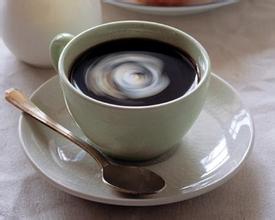
Boutique Blue Mountain Coffee Jamaican Coffee Alpine Coffee latest Coffee introduction
In 1717 King Louis XV of France ordered the cultivation of coffee in Jamaica, and in the mid-1920s, the Governor of Jamaica, Sir Nicholas Lawes, imported Arabica seeds from Martinique and began to plant them in St. Andrew. To this day, the St. Andrews area is still the Jamaican Blue Mountain Coffee.

Introduction of Flavor and Taste Coffee beans in Coffee production area of Valenford Manor, Jamaica
In 1717 King Louis XV of France ordered coffee to be grown in Jamaica, and in the mid-1920 s, the Governor of Jamaica, Nicholas. Nicholas Lawes imported Arabica seeds from Martinique and began to plant them in St. Andrew. To this day, the St. Andrews area is still the Jamaican Blue Mountain Coffee.

Amber Manor introduces how much is authentic Blue Mountain Coffee and what is Blue Mountain Coffee?
For more information on coffee beans, please follow the history and situation of Jamaican coffee in the coffee workshop (Wechat official account cafe_style). The history of Jamaica and coffee can be traced back to the early 18th century. In 1717, King Louis XV of France ordered coffee to be grown in Jamaica and Governor Nicholas in the mid-twentieth century. Sir Lloyd (Nichol

What are the characteristics of pointed bourbon coffee on Reunion Island? Why is the pointed bourbon called natural decaf?
For more information on coffee beans, please pay attention to the coffee workshop (Wechat official account cafe_style). In the 18th century, on the island of Reunion (Bourbon), there was a variety of coffee beans called bourbon pointed because of their narrow shape and pointed ends. Although the yield was extremely rare, its charming aroma and elegant sweetness allowed it to spread quickly among the princes and nobles of France.

Characteristics of Blue Mountain Coffee Variety producing area introduction to the taste of boutique coffee bean flavor manor
In 1717, King Louis XV of France ordered the cultivation of coffee in Jamaica. In the middle of the Blue Mountain Coffee era, the Governor of Jamaica, Sir Nicholas Nicholas Lawes, imported Arabica seeds from Martinique and began to plant them in St. Andrew. To this day, the St. Andrews area is still

Unique flavor of Jamaican Blue Mountain Coffee the characteristics of the manor producing area introduce Jamaican boutique coffee
In 1717, King Louis XV of France ordered the cultivation of coffee in Jamaica. In the middle of the Blue Mountain Coffee era, the Governor of Jamaica, Sir Nicholas Nicholas Lawes, imported Arabica seeds from Martinique and began to plant them in St. Andrew. To this day, the St. Andrews area is still

Boutique coffee Jamaica Blue Mountain Coffee introduction Fine Coffee beans St. Thomas producing area Valenford Manor
In 1717, King Louis XV of France ordered the cultivation of coffee in Jamaica. In the middle of the 20th century, the Governor of Jamaica, Sir Nicholas Nicholas Lawes, imported Arabica seeds from Martinique and began to plant them in St. Andrew. To this day, St. Andrew